
Vietnam + AI: When “Too-Perfect” Photos and Videos Blur the Reality of Tourism
- RelocationVietnam
- Feb 2
- 4 min read
Vietnam is one of Asia’s most visible destinations on social media — and the tourism rebound confirms it. In 2025, the country welcomed nearly 21.17 million international visitors (a record), up +20.4% vs. 2024.
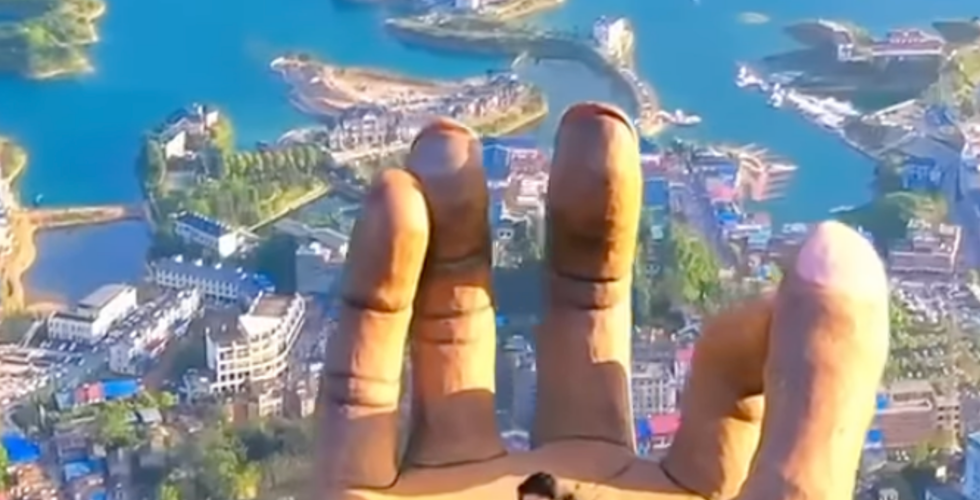
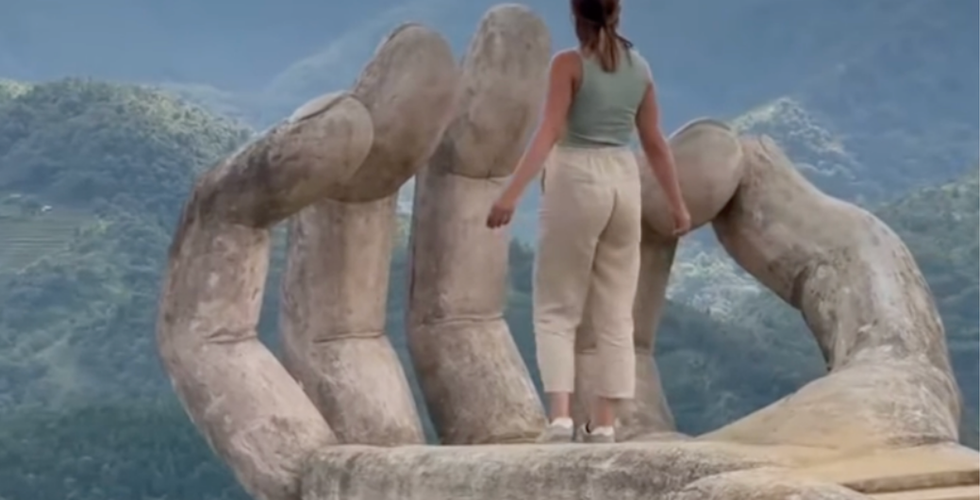
In this context, generative AI is becoming an accelerator: it can elevate travel content… but also distort the reality of destinations (extreme retouching, fully AI-generated videos, reconstructed scenes, composite locations).


1) What AI is really changing in travel content
This is no longer just about Instagram filters. Today, AI can:
Create realistic scenes that never existed (an “authentic” alley invented from scratch, a “perfect” market, an “ideal” bay),
Build composite places (e.g., a single scene that blends Hội An + Ninh Bình + Hạ Long into one visually coherent setting),
“Enhance” real video footage (colors, crowd density, weather, cleanliness, atmosphere) to the point where it becomes misleading.
The issue isn’t aesthetics in itself — it’s the impact on expectations. A destination shown as calm, empty, luxurious, and unreal can lead to real disappointment when reality is more nuanced (crowds, heat, noise, traffic, rainy season, etc.).
🔗 AI video generated : https://www.youtube.com/shorts/VC_X1MIX6vw
🔗 Real video : https://www.youtube.com/shorts/B2JF1F_6vcE
2) Why it’s particularly sensitive in Vietnam
Vietnam is a “perfect playground” for generative content:
Its destinations are highly visual (bays, rice terraces, lanterns, street food, mountains, cafés, etc.),
There is already a massive volume of content to imitate or remix,
TikTok/Shorts trends push short, cinematic formats where it becomes hard to tell what is real versus synthetic.
And the topic is starting to have real-world consequences: in Hanoi, a man was sanctioned after sharing an AI-generated video portraying an invented event at a landmark site (Hồ Hoàn Kiếm / Sword Lake), with authorities stating it harmed the site’s image.
3) The “damage” on the tourism side: 4 very concrete effects
a) An expectation gap that hurts the experience
Tourism runs on a promise: “this is what you’ll live.” If that promise comes from an AI-generated (or heavily altered) video, the experience can feel like an “emotional scam” — even though Vietnam remains genuinely beautiful.
Typical outcome: comments such as “it’s not like in the videos,” and a decline in trust toward online recommendations.
b) Artificial shifts in travel flows
When a fake “spot” goes viral, it can redirect attention toward:
Places that don’t match the story (people chase “the scene,” not the destination),
Or locations that become overcrowded simply because they look the most similar to the viral content.
This fuels tourism driven by images rather than places — and can increase pressure on certain areas.
c) A more fragile destination image
An AI video can make a destination look:
Dirtier / more dangerous than it actually is (if the intent is malicious),
Or over-idealized, creating a boomerang effect on arrival.
The Hanoi case shows that locally, this is also viewed as a public reputation issue.
d) More tourism scams boosted by perfect visuals
AI doesn’t only make people dream — it can also make fraud look more credible: pages impersonating hotels/homestays, fake promotions, fake “agents” with flawless visuals, fake reviews.
In Vietnam, the tourism authority has explicitly asked businesses to monitor and report fraudulent pages and platforms that impersonate them, especially around deposits and online bookings. Alerts also exist around phishing attacks targeting accommodation via imitation of booking platforms.
4) Platforms are reacting — but context gets lost quickly
YouTube has introduced a clear rule: creators must disclose content that is “significantly altered” or “synthetic” when it looks realistic, using an “altered content” setting that adds an informational label (at least in the description, and sometimes more visibly depending on the case).
The challenge is distribution: Shorts, reposts, excerpts… People often view the video outside its original context (without reading descriptions), which reduces the effectiveness of labels.
5) A Practical Way to Talk About It: Inspiration + Awareness.
The right angle is inspiration + vigilance, not panic. A simple checklist works well:
3 checks before building an itinerary from a viral video
Look for an AI-generated / altered / synthetic mention (description, pinned comments, profile).
Open the spot on Google Maps and compare recent photos (season, weather, crowd levels, colors).
Cross-check with 2–3 on-the-ground sources (local creators, forums, recent reviews) + make sure bookings go through a reliable channel (especially if a deposit is requested).
This blur between real and fake doesn’t only affect “too-perfect” landscapes. In relocation, it also appears in housing listings: old photos, retouching, staged setups… an apartment can look impeccable online while reality is different. It also happens that a property is displayed on a website even though it is no longer available (or was never truly offered under the same price/conditions).
The same phenomenon exists in immigration: contradictory information on social media, fake “official” sites, questionable intermediaries, unrealistic promises… and sometimes payment requests that are not legitimate.
In this context, a relocation company becomes a trusted third party: on-the-ground verification, secure processes (housing + immigration), and support to avoid unpleasant surprises.
Conclusion
AI isn’t “destroying” tourism in Vietnam — but it is changing how people imagine a destination. In a period of strong growth (a record year for international arrivals in 2025), the quality of visual information becomes a key issue: protecting destination reputations, preventing disappointment, and reducing scam risks.


Comments